
Our Blog

Keep up with the latest from Seven Sons Farm.

How to Cook Beef Tongue: Best Methods for Tender Results

Beef tongue offers a versatile and delicious way to change up your main dish favorites. Perfect for lunch or dinner, this flavorful cut is gaining popularity for good reason. While it may be less common here, in the American mid-west, beef tongue is popular around the world. Its rich taste and tender texture make it a great choice for discovering and enjoying new recipes. After a slow cook to tenderize, you can slice it up for tasty lengua tacos, stir-fry, or sandwiches. Adding beef tongue to your diet gives you a nutrient-dense, tasty cut that helps support the sustainable nose-to-tail approach. In addition, choosing grass-fed beef ensures you get high-quality meat free from hormones, antibiotics, and GMOs, making it a healthier and more ethical choice. In this guide, we’ll explore three methods to cook beef tongue to perfection. Ready to try this lesser-known cut and prepare a delicious meal that will have your family and friends asking for more? Prep time: 30 minutes Cook time: 3-4 hours Servings: 4 Tips for Cooking with Beef Tongue Cooking with beef tongue might seem intimidating at first. Most people don’t know the right way to prepare it, unless they were fortunate enough to enjoy organ meats in their family’s traditional cooking. But here are some of our best tips to help ensure your meals come out great every time. Use a cooking method that tenderizes the beef tongue (braise, boil, or pressure cooker) Remove the tough outer skin, make sure to let the cooked tongue cool slightly first – but don’t let it cool too much, as the skin will become tricky to remove.  Remove the tough skin after it’s cooked and slightly cooled If you prefer a slightly crispy texture, pan-fry the beef tongue in a couple of tbsps of extra virgin olive oil for 5-6 minutes after cooking and removing the skin.  Explore different cuisines by changing the herbs and spices you use.  Get high-quality, ethically sourced meat products to ensure you get the best taste and highest nutritional value. How to Cook Beef Tongue Our recipe is a like a classic beef stew, but the cooking method works great for any flavor profile. Swap out the seasonings and vegetables for whatever dish you’re making. For example, if you want to whip up some beef tongue fajitas, adjust the seasonings (paprika, cumin, red pepper flakes, etc.) and slice the meat into strips when it's done. Once you’ve got your ingredients together, it’s time to get cooking. Here are the best three ways to cook beef tongue.  What You’ll Need You’ll need a few things to make a delicious meal with beef tongue, here’s what’s on the list for our recipe. 2 lbs. grass-fed beef tongue, cleaned and trimmed 1 large onion, chopped 1 cube butter  2 cloves garlic, minced 3 carrots, chopped 3 potatoes, peeled and cubed 2 cups beef broth 1 cup red wine (optional) 2 tbsp tomato paste 1 tsp dried thyme 1 tsp dried rosemary 1 bay leaf Salt and pepper to taste Instant Pot Beef Tongue This instant pot beef tongue recipe is delightfully simple and takes less than two hours to prepare. If you don’t have an instant pot, you can also use a pressure cooker, following the same steps below.  Place a tab of butter in the instant pot with chopped onions, carrots, and minced garlic. Saute until the onions start to brown. Saute and add in the beef tongue, plus all other ingredients.  Put the lid on the pot and set it to sealing. Leave for 90 minutes. Release the pressure and take out the beef tongue. Once cooled, remove the skin.  Cut into slices and pour on the sauce from the pressure cooker. Serve.  Beef Tongue in the Dutch Oven  This braised beef tongue recipe produces incredibly tender meat. It takes a little more time to cook, but the wait is well worth it.  Put the beef tongue in your Dutch oven or a roasting pan. Add all the other ingredients and stir well.  Place the lid on top and braise in the oven at 375 degrees for 5-6 hours.  Remove the beef tongue and let cool for about 15 to 20 minutes. Peel the outer layer of skin and discard, cutting the remaining meat into slices.  Pour on the sauce and serve! Slow Cooker Beef Tongue  No Dutch oven? No problem! Here’s how to make beef tongue in the slow cooker.  Place all the ingredients in the slow cooker.  Cook on the low setting for 8 hours. Transfer the beef tongue to a work surface and let it cool for a few minutes. Peel the outer layer of skin and discard. Then slice the remaining meat.  Pour on the sauce and serve! Side Dishes to Pair with Beef Tongue Beef tongue is a super versatile cut of meat. Here are some delicious side dishes to pair it with for lunch and dinner: Shredded beef tongue tacos with salsa verde and avocado Teriyaki beef tongue with sticky rice and pak choi  Braised beef tongue with buttery mashed potatoes and roasted broccoli  Beef tongue sandwiches with honey and mustard dressing  Recipe FAQs What does beef tongue taste like? Beef tongue has a rich, meaty flavor and tender, buttery texture. It’s also exceptionally versatile, making it the perfect base for a variety of dishes. Is beef tongue chewy or tender?  Beef tongue only becomes chewy if you cook it incorrectly. The best way to cook it is low and slow.  What is lengua meat? Lengua is the Spanish word for tongue. If you see lengua on a menu in South America, it will probably mean beef tongue.  How do I ensure my beef tongue is tender? For tender results, cook beef tongue low and slow.  Ready to cook?  Try these delicious recipes for yourself. Order Seven Sons’ grass-fed beef tongue today.  As always, we’d love to know what you think! So, let us know if you tried our recipes and how it turned out! Curious for more? Try this simple Pickled Beef Tongue recipe or these authentic Mexican Beef Tongue Tacos!

Defending Beef and the Humble Cow

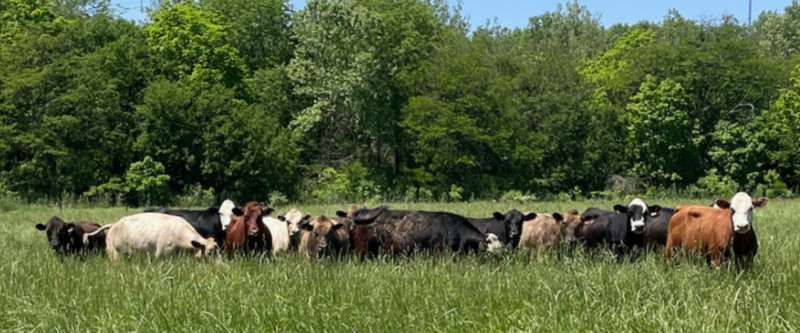
Have you noticed that ALL beef and cattle commonly receive undue and unwarranted criticism? Maybe you've noticed it yourself while scrolling Facebook or Instagram, watching the mainstream media, or in passing conversations around town. Now, there certainly are truths to claims about the negative environmental impact of cattle and beef being mass-produced fatter and faster at overcrowded industrial, CAFO feedlots. But that is NOT true of all cattle.

Navigating pastured poultry challenges

If you’ve followed us for long, you know that we’ve been working through some significant challenges that have threatened our ability to continue offering chicken to our customers. That said, we’re not giving up; instead, we plan to double down our efforts with significant investments and new collaborations for 2024 and beyond. This blog post is longer than usual, but because trust and transparency are a high priority to us, I invite you to read along to stay informed. Before diving into the updates, let me first explain the gravity of the challenges that small-scale pastured poultry farmers are up against.

Next-Level Bone-in Beef Shank Recipes

Bone-in beef shanks are one of the most underestimated cuts of meat. They’re tender, tasty, succulent, and affordable. You just need to know how to cook them well!  First, meat quality is key—no one wants to eat grisly, tough beef shanks. That’s why it’s crucial to choose grass-fed beef. It packs in way more nutrition and flavor.  As an added bonus, grass-fed beef shanks like ours are raised using regenerative grazing practices, which is good for the environment.  Let’s dive into the recipes!  Prep time: 15 minutes Cook time: 2-3 hours Servings: 4 What You’ll Need 2 lbs grass-fed beef shank bone, diced 1 large onion, chopped 2 cloves garlic, minced 2 carrots, chopped 2 cups beef broth 1 cup red wine  2 tbsp tomato paste 1 tsp dried thyme 1 tsp dried rosemary Salt and pepper to taste Extra virgin olive oil How to Cook Bone-in Beef Shank Beef shank is comforting, hearty, and delicious. Below, we’ll walk you through our favorite three ways to cook it, depending on your time and the utensils you have.  Dutch Oven Beef Shank  This dish is perfect for cold Autumn afternoons. It’s warming, nourishing, and mouth-wateringly tasty.  Season the chopped beef shank with salt and pepper. Heat 2 tbsps of olive oil over medium-high heat in the Dutch oven. Add the beef shank pieces and cook for 4 minutes, or until browned on all sides. Set the shanks aside.  Add the chopped onion and carrots to the pot and cook until the onions are browned. Add in the minced garlic and stir for a minute.  Stir in the tomato paste, red wine, beef broth, and herbs. Simmer for 3 minutes.  Place the beef shank pieces back in the pot, submerging them in the mixture. Reduce the heat to low and let the mixture simmer for 3 hours, until the meat falls off the bone.  Serve!  Handy tip: Instead of simmering on the stovetop for 3 hours, you can place your Dutch oven in a preheated oven. Cook for 2-3 hours, or until the meat is succulent and tender.  Braised Beef Shank If you have a little more time and want to cook a bone-in beef shank that’s even more tender, try this braising recipe. Follow the recipe above until step 5. Pour the mixture into a slow cooker and add the seared beef shanks.  Cook on low for 6-8 hours or on high for 4-5 hours, or until the meat falls off the bone. Smoked Beef Shank Beef shank isn’t just for the winter months! Get out your smoker for a barbecue centerpiece your guests will love.  Preheat the smoker to 225°F Season the beef shank with your favorite dry rub. Carefully place the beef shank pieces in the smoker. Cook for 4-6 hours, or until the internal temperature of the meat reaches 190°F. Rest the meat for 10 minutes for maximum juiciness. Then, serve!  Side Dishes to Pair with Beef Shank Beef shank with the bone in is a staple across cuisines for good reason! It’s incredibly versatile—you can pair it with all kinds of sides!  Here are some of our favorites: Smoked beef shank tacos with guacamole and spicy rice  Braised beef shank stew with creamy mashed potatoes and roasted green beans or carrots Tender beef shank stew with sweet potato and buttered peas  Braised beef shank ragu with pappardelle pasta  Expert Tips & Tricks For a slightly sweeter dish, add a heaped spoon of honey to the slow cooker when you add the red wine and beef broth.  If you prefer a more savory, umami flavor, swap out the honey for a generous splash of Worcester sauce.  You can store these dishes in the fridge for up to three days, or in the freezer for 3 months.  Source the best quality bones you can. Grass-fed beef bones are more sustainable and increase the nutrition and flavor of your meals. You also ensure what you’re eating is free of antibiotics, hormones, and other chemicals. Recipe FAQs How long does it take to cook beef shank in the oven? It’s best to cook beef shank low and slow in the oven. Leave it to cook on low to medium heat for 2-3 hours, or until the meat falls off the bone.  Does beef shank get tender? Yes! Beef shank becomes incredibly tender and juicy when you slow cook it. What is beef shank best for? Beef shank is best for slow-cooked stews and casseroles. You can also cook it in the smoker for a delicious barbecue dish. Is there another name for beef shank? Beef shank has several other names, including beef foreshank, beef Osso Bucco cut, shank meat, and leg boil. However, they all refer to the same thing!  Ready to Cook?  Try these delicious beef shank recipes with our grass-fed beef shanks. As always, we love to know how your dishes turned out! So please send your photos in and leave your thoughts below.  Want more beef recipes? How about our Tender Beef Oxtail Stew recipe?

Fall on the Farm...What's Happening in the Soil?

Fall in the Midwest is a wonderful time for folks to enjoy cooler weather, bright colors, fun festivals and delicious seasonal meals (and treats) 😁 It's also a wonderful (and important) time of year on the farm. While the grass has been growing robustly all season long, grazing season is winding down. We farmers can be tempted to let the livestock eat the last bit of grass down to the roots before winter sets in.

3 Ways Grass-fed Butter is Superior to Grain-fed Butter

Saturated fat will clog your arteries, at least that is what we have been lead to believe. But new studies are showing that consuming saturated fats from grass-fed cows is actually good for your health. Butter is a great source of saturated fats, so here are 3 ways grass-fed butter is superior to grain-fed butter.

What Are Lectin-Free Eggs?

In the past few decades, more and more clinical research has been devoted to better understanding the connection between the foods we eat and the incidence of disease. There have been several vital food-disease relationships discovered and communicated to the public on the new, in books, podcasts and more. A few familiar such food-disease relationships are...

Freedom and the Family Farm

On this weekend leading up to the 4th of July I spent time reflecting about what freedom and independence mean for me as a regenerative farmer. First and foremost, I want to express my gratitude for the privilege my family has to produce wholesome food for you right here on U.S. soil. We recognize our freedoms would not be here today without the immense sacrifices from our service men and women, past and present. We are incredibly grateful and vow to continue to act courageously to honor their sacrifices.

Response to mRNA Vaccines

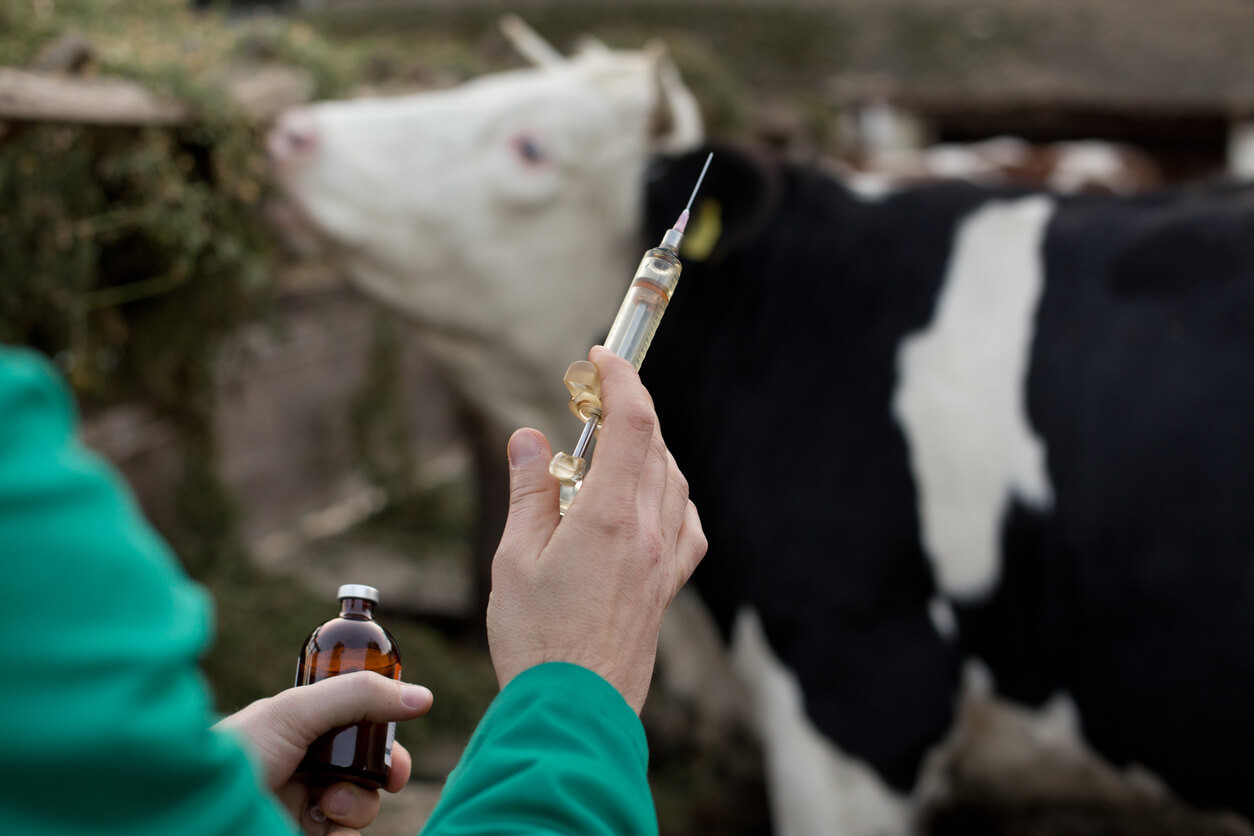
Due to recent news articles about using new mRNA vaccines for cattle, our team and family have received numerous emails and phone calls about this topic. I invite you to read the blog post below, where I've posted my research and answers to commonly asked questions.

Simple Beef Liver with Onion Recipes

Beef liver is an often-overlooked cut of meat that can be delicious—especially when paired with sweet, buttery caramelized onions. All beef liver is rich in iron and vitamin A. However, research shows grass-fed beef liver is four times more nutrient-dense than grain-fed. It’s also the more ethical and sustainable choice. Our regenerative grazing process boosts the animals' health and well-being, making it an even healthier option. So, here’s how to cook it to perfection! Prep time: 40-45 minutes Cook time: 15-20 minutes Servings: 4 Ingredients 1 lb. grass-fed and grass-finished beef liver, sliced 2 large onions, thinly sliced 2 cloves garlic, minced 1 cup milk (for soaking the liver) 1/2 cup flour Salt and pepper to taste 2 Tbsp oil (Extra virgin or avocado – or you can use butter) Instructions Below, we’ve shared two of our favorite ways to cook beef liver and onions. Both make for a delicious, tender liver dish. But cooking liver in the pan is quicker if you're pressed for time.  How to Prepare Beef Liver Whether you cook your beef liver in the pan or the oven, the first step you’ll need to take is preparing it. Here’s what to do: Place sliced beef liver in a bowl and pour milk over it, covering completely Soak for 30 minutes to tenderize After 30 minutes, remove the liver from the bowl and pat dry  Fill a shallow dish with the flour and season Dredge each slice of beef liver through flour and place on a plate.  How to Cook Liver in a Pan This is a quick and simple way to cook beef liver and onions:  Heat one tbsp of oil or butter in a pan over medium heat. Add the chopped onions, cooking until soft and golden brown.  Once cooked, remove the onions and place on the side.  Add another tbsp of oil or butter to the pan. Add the minced garlic, stirring for 30 seconds. Add the liver slices, cooking for 2-3 minutes on each side.  Remove the liver from the pan when the outside is browned, but the middle of each slice is still slightly pink.  Serve and enjoy!  How to Prepare Beef Liver in the Oven If you’ve got a little more time and want a less hands-on recipe, give this oven-baked liver recipe a go: Preheat the oven to 375°F. Place the liver slices and onion slices on a lined baking sheet and drizzle with extra virgin olive oil. Bake in the oven for 18 minutes, turning the liver halfway through. Remove when the liver is completely browned but still slightly pink inside.  Side Dishes to Pair with Beef Liver Beef liver is a tasty, versatile dish you can enjoy anytime! Here are some of our family’s favorite ways to serve beef liver for breakfast, lunch, and dinner.  Breakfast  Fried beef liver, caramelized onions, and sunny-side-up eggs Swap traditional sausages for a yummy twist: beef liver, biscuits, and old-fashioned gravy  Lunch  Roasted beef liver, onion, and horseradish sandwich  Sticky Chinese beef liver stir fry with mushrooms and egg noodles  Dinner Beef liver spaghetti bolognaise  Creamy mashed potatoes and fried beef liver on a bed of spinach and peas Expert Tips & Tricks  Be careful of overcooking the liver! This delicate, tender organ meat should be a touch pink when you remove it from the pan or oven.  For extra sweetness, add a tablespoon of maple syrup to your onions as they pan fry.  If you like zesty flavors, add a dash of balsamic vinegar to the liver just before serving—the vinegar's acidity pairs wonderfully with the liver's richness.  Source the best quality organ meats to ensure you get the most nutrition and flavor. Plus, you’ll avoid harmful chemicals and antibiotics often found in conventionally raised animals. Recipe FAQs How long do you cook beef liver? If you cook beef liver in the pan, it will take 2-3 minutes. In the oven, it will take roughly 18 minutes. How do you make beef liver tender? For maximum tenderness, cut the beef liver into slices and soak in milk for half an hour before cooking. Why do you soak liver in milk before cooking? Soaking beef liver in milk before cooking helps to tenderize the meat.  Do you rinse beef liver before cooking? No, you don’t need to rinse beef liver before cooking, but we do recommend soaking it in milk for half an hour before cooking.  What is the best way to cook beef liver? To get the tastiest results from beef liver, it’s best to sear the meat to medium-rare so that it stays tender and has a slightly creamy texture. Is chicken or beef liver healthier? Both chicken and beef liver are low on calories and incredibly nutrient-rich with many vitamins and minerals each. They are both healthy in different ways and both have their place on the dinner table. Explore in depth the differences between chicken liver and beef liver. Let’s Get Cooking! Try our delicious grass-fed beef liver today. As always, we’d love to know what you think! So, let us know if you tried our recipes and how it turned out! Curious for more beef recipes? Try our Dutch Oven Beef Shank recipe or Tender Beef Oxtail Stew.

Your Custom Box
Empty Box

Get started by adding a product to your custom box

Start Shopping
Subscribe & claim $42.56 in savings
Subscribe & Save
What you get when you subscribe to your box:
  • 5% savings site-wide

  • Free item with each delivery (choose below)

  • $25 store credit to use on your next order - Available to first-time subscribers only

  • 100% Customizable - Pause, skip, or cancel anytime with no penalties

Customize Your Frequency Customize Your Free Item
- Pork Bacon (Sugar Free) -
Pork Bacon (Sugar Free)

$17.56 FREE

- Ground Beef -
Ground Beef

$11.75 FREE

- Breakfast Sausage (Sugar Free) -
Breakfast Sausage (Sugar Free)

$12.36 FREE

Before You Get Started

📍Enter your email and postal code so we can confirm delivery and create your account

Email
Postal code

Great! We're going to deliver your next order to !

Sorry, we couldn't find that postal code!

Check delivery availability

Your postal code helps us to provide the most up-to-date product and delivery information.

Nearby?

,

Need it shipped?