A Complete Guide to Pork Cuts and How to Cook Them
posted on
November 27, 2025

From quick-searing chops to slow-braised shoulders, understanding different pork cuts and their ideal cooking methods helps you create delicious, satisfying meals every time. Whether you're grilling, roasting, or braising, each of the 12 main pork cuts offers unique flavors and textures that shine with the right technique.
Quick Facts About Pork Cuts
- 12 main retail cuts come from four sections of the pig: shoulder, loin, belly, and leg
- Quick-cooking cuts (chops and tenderloin) are lean and cook in under 30 minutes
- Slow-cooking cuts (shoulder, butt) have more marbling and need 6-8 hours for tender, fall-apart results
- Cook ground pork and sausage to 160°F, while whole cuts should reach 145°F internal temperature, with a 3-minute rest
- Heritage, pasture-raised pork is darker pink, firmer, and richer in flavor than conventional pork

Pork is a versatile meat rich in protein, vitamins, and minerals. It’s a great addition to a healthy diet, and you can cook it in various ways. Which cut of pork you choose and how to cook it, depends on a few things.
Before deciding which cut is right for you, consider the source. Pasture-raised, heritage breeds produce more flavorful pork with better nutritional content[1] than standard grocery store products.
But can you tell the difference between pasture-raised pork and industrially produced pork? Yes!
Our pork is firm and darker pink in color (indicating the animal was pasture-raised). Pork meat that is pale in color, soft, or damp was most likely factory-farmed.
As a bonus, all our pork is sugar-free and free from GMOs, nitrates, and antibiotics.
Now that we’ve sorted that out, let’s talk about the different pork cuts!
Originally published in 2024, this article was updated and republished on November 27th, 2025.

What Are the Main Pork Cuts?
When you're shopping for pork, you'll encounter retail cuts from four main sections of the pig: the shoulder, loin, side (belly), and leg. Each section produces cuts with distinct characteristics that suit different cooking methods. Here are the 12 most popular cuts of pork you'll want to know about:
1. Bacon

What part of the pig: Side (belly)
Bacon is a breakfast staple for a reason, and it’s our #1 selling product of all! These thin slices of pork are quick to cook–making them a great, tasty breakfast, lunch, or dinner option! We recommend frying, baking, or grilling your pork bacon until it turns dark pink and the fat is crispy around the edges.
Internal temperature: Cook until crispy (approximately 165°F)
Bonus: You don’t need to stop at breakfast with your bacon. Wrap a tasty filet mignon, top your favorite hamburger, or make bite-sized pieces to mix in with oven-roasted Brussels sprouts, asparagus, or Cobb salad.
2. Pork Sausage

What part of the pig: Shoulder and loin
Another breakfast staple – pork sausage – is made of cuts from the shoulder and loin of the pig. We season our sausage with black pepper, red pepper, rosemary, and sage to give it a rich, hearty taste.
For the healthiest option, grill or oven-bake your sausages until browned and cooked through–or fry them in a skillet for 10-12 minutes. Then, serve with eggs, in a breakfast sandwich, or with a side of sweet potato hash.
Internal temperature: 160°F (ground pork product)
3. Ham

What part of the pig: Hind leg
Ham comes from the hind leg of the hog. Our heritage ham roast is brined and smoked by artisan butchers for a melt-in-the-mouth texture and subtly sweet flavor. Unless they say they’re ‘fresh,’ hams usually arrive pre-cooked, but you can still work some magic through crusting, seasoning, then oven-roasting them. Our recipe for maple glazed ham is a family favorite.
Internal temperature: 160°F
Our recipe for maple glazed ham is a family favorite.
4. Bone-in Pork Chops

What part of the pig: Loin
Bone-in pork chops are a premium cut sourced from the loin of the pig. They’re renowned for their marbling, tenderness, and depth of flavor, making them a tasty centerpiece for any dinner party.
Pork chops are also versatile. You can marinate them and then toss them on the grill, sautée, or oven-roast them with herbs and spices for added flavor. And they’ll be ready in under an hour from start to finish! You can keep it simple by topping with your favorite BBQ sauce or try one of these pork chop side dishes.
Internal temperature: 145°F with a 3-minute rest
For something that will wow your guests, try our recipe for pork chops with pear sauce.
5. Ground Pork

What part of the pig: Primarily shoulder and hind sections
Cut primarily from the shoulder and hind sections, ground pork is the perfect base for meals across cuisines: Italian meatballs and pasta sauces, French casseroles, soups or stews, and much more. How you cook your ground pork will depend on what you’re making.
Internal temperature: 160°F
6. Baby Back Ribs

What part of the pig: Back and loin
Baby back ribs come from the back and loin of the pig. They’re smaller and meatier than their spare ribs, and quicker to cook. You can use a dry rub or glaze with your favorite seasoning, then bake or barbecue until the meat easily pulls away from the bone.
Internal temperature: 145°F minimum, though many prefer cooking to 190-203°F for fall-off-the-bone tenderness
7. Pork Shoulder

What part of the pig: Upper front leg and shoulder blade area
Pork shoulder is a hearty, flavourful cut of meat perfect for slow cooking, smoking, or roasting. We love putting it in the slow cooker for 6-8 hours, along with garlic, onion, and spices. When the pork shoulder comes out, it’s juicy and tender, falling apart with a touch of the fork.
Internal temperature: 145°F for safety, but best when cooked to 190-205°F for pulled pork
8. Tenderloin
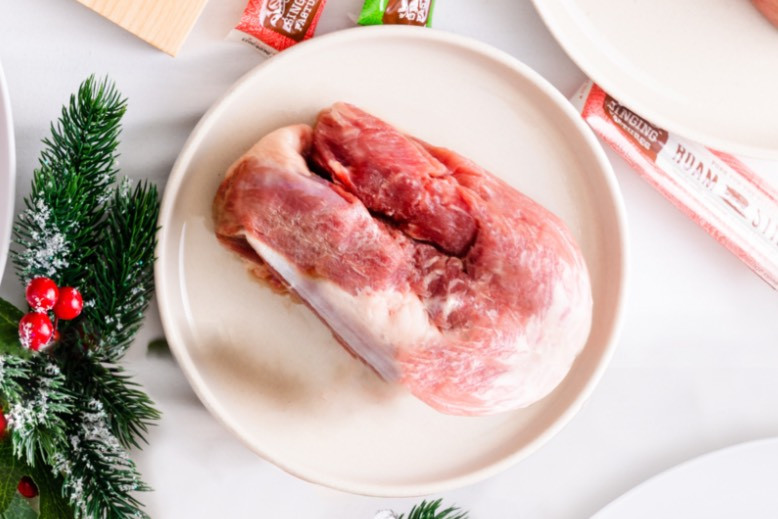
What part of the pig: Loin muscle along the backbone
Pork tenderloin is a long, boneless cut of meat from the loin muscle that runs along the pig's backbone. This cut is mild in flavor and tender, so you can cook it in a variety of ways.
Try pork tenderloin prepared in the slow cooker with a creamy garlic sauce for a simple mid-week dinner. Our pork Wellington recipe is sure to impress for a show-stopping dinner.
Internal temperature: 145°F with a 3-minute rest
9. Pork Crown
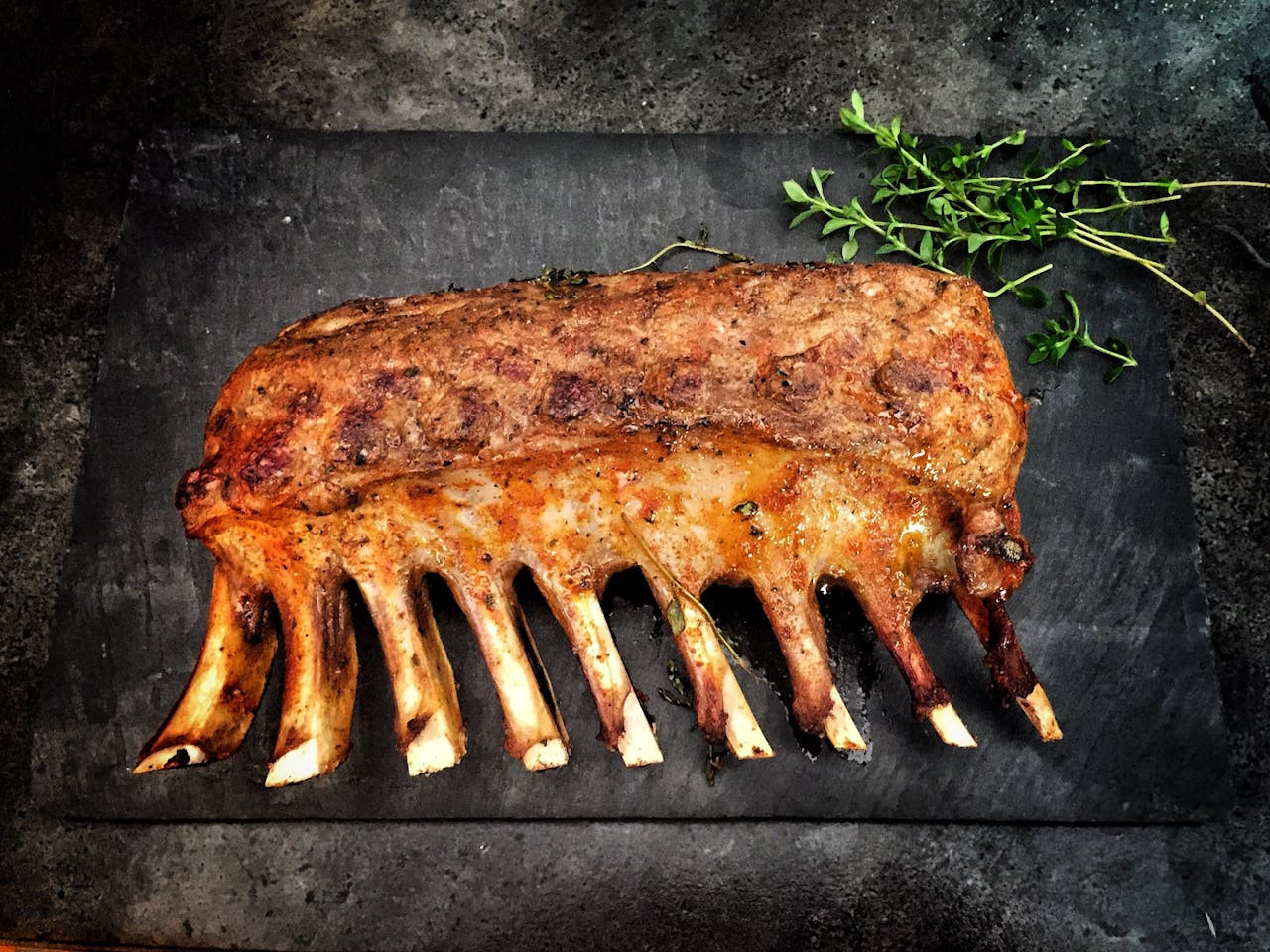
What part of the pig: Bone-in pork loin formed into a circle
A pork crown is created by tying a whole bone-in pork loin into a circle. It’s a crowd-pleasing recipe perfect for a family gathering or dinner party. The best way to cook it is to roast it. First, rub it with garlic and herbs, then let it marinate overnight. The next day, roast it in the oven for 1.5-2 hours or until the internal temperature reaches 160 degrees.
Internal temperature: 160°F
10. Pork Butt

What part of the pig: Upper shoulder
Despite what the name indicates, pork butt comes from high up in the shoulder of the pig. This cut is known for its marbling and depth of flavor, and it’s usually smoked or roasted to make pulled pork.
As with pork shoulder, you’ll want to rub the pork butt with your chosen seasoning before slow cooking in the oven, smoker, or slow cooker for 6-8 hours (depending on the size of your cut). Once it’s cooked, cut the skin off and shred the meat. You can serve it immediately or let the pork marinate overnight so it soaks up more flavor.
Internal temperature: 145°F for safety, but best when cooked to 195-205°F for pulled pork
11. Pork Loin

What part of the pig: Back of the pig, between shoulder and leg
Pork loin is a rich, flavorful cut of meat that comes from any part of the loin section. It’s larger and juicier than pork tenderloin, making it ideal for roasting, grilling, or braising.
For a quick, tasty meal, you can cut your pork loin into steaks and fry them in butter or an oil of your choice for 8-10 minutes. Alternatively, you can prepare pork schnitzels with just a couple of extra steps.
Internal temperature: 145°F with a 3-minute rest
12. Pork Belly
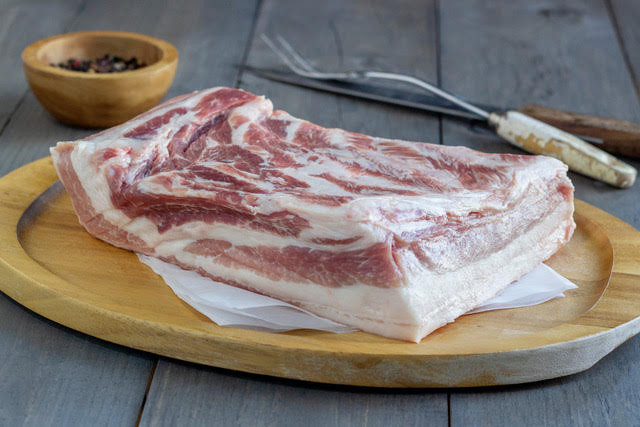
What part of the pig: Underside of the pig
“Candied” Pork belly is a popular restaurant dish for a reason. When cooked to perfection, this juicy, tender cut of meat will melt in your mouth. You can see Blaine’s take on Alton Brown’s Seared Pork Belly here.
Internal temperature: 170°F
Frequently Asked Questions About Pork Cuts
What part of the pig is ham?
Ham comes from the hind leg of the pig. This large cut is typically cured, smoked, or both, which gives it that distinctive savory-sweet flavor. Our heritage ham roasts are brined and smoked by artisan butchers for exceptional taste and texture.
What part of the pig is pork chops?
Pork chops are cut from the loin, which runs along the back of the pig between the shoulder and the leg. Bone-in chops include a portion of the rib or backbone, while boneless chops are simply the loin muscle. The loin is one of the most tender sections of the pig, making chops a premium cut.
What is the most tender cut of pork?
Pork tenderloin is the most tender cut of pork. This long, narrow muscle runs along the backbone and doesn't get much exercise, resulting in exceptionally tender meat. It's mild in flavor and cooks quickly, making it perfect for weeknight dinners or elegant presentations.
What are the best cuts of pork for slow cooking?
Pork shoulder and pork butt are the best cuts of pork for slow cooking. These cuts come from the shoulder area and contain more connective tissue and marbling, which breaks down during long, slow cooking to create incredibly tender, flavorful meat. They're ideal for pulled pork, stews, and braised dishes that need 6-8 hours of cooking time.
How do you cook different cuts of pork?
Different types of pork require different cooking methods. Quick-cooking cuts like bacon, chops, and tenderloin work best with high-heat methods like grilling, pan-frying, or roasting at 400°F. Tougher cuts with more connective tissue, like shoulder and butt, need low, slow cooking methods such as braising, slow cooking, or smoking. Ground pork is versatile and can be pan-fried, grilled as patties, or incorporated into various dishes.
What's the difference between pork loin and pork tenderloin?
Pork loin is a larger cut from the back of the pig that weighs several pounds and feeds a crowd, while tenderloin is a long, narrow muscle that's about one pound and serves 2-3 people. Tenderloin lives up to its name as the most tender cut and cooks quickly, making it ideal for weeknight meals, whereas loin is perfect for Sunday roasts or slicing into chops.
Why choose heritage, pasture-raised pork cuts?
Heritage, pasture-raised pork offers superior flavor and nutrition. Our pigs spend their lives on regenerative pastures, resulting in meat that's darker pink, firmer, and richer in beneficial omega-3 fatty acids. The natural marbling in heritage breeds creates meat that is more flavorful and tender. Plus, our pork is free from GMOs, antibiotics, hormones, and added nitrates.
What Will You Go For?
If you’re wondering which of the different cuts of pork is best for your needs, the answer is all of them! It all depends on what you’re making.
Whatever you fancy, you’ll taste the superior quality of heritage pork products from our regenerative-focused family farm. Choose from a variety of sugar-free, heritage, pasture-raised pork cuts, delivered to your door.
If you're wondering what could you do with the other parts of the pig, read our pork offal guide and explore our selection of pork organs.
Footnotes
1. https://practicalfarmers.org/research/fatty-acid-comparisons-of-grain-and-forage-fed-pork/