How to Cook T-Bone Steak Correctly: The Simple & Tasty Way

written by

Kim Hitzfield

posted on

December 30, 2020

Premium-Reserve-ss-beef-steak-tbone2.jpg

If you don’t cook steak a lot, trying your hand at serving a perfect t-bone cut is intimidating. There’s a lot of pressure to do right by this tasty cut of meat, as it’s considered one of the best steaks among foodies. 

To make things more confusing, everyone has a different opinion on the best way to cook t-bone steaks. A quick Google search reveals hundreds of recommendations for cooking methods, seasonings, etc. It’s overwhelming, to say the least. 

That’s why we’re here to help you make the best t-bone steak! Read on for a complete t-bone steak recipe guide so you receive endless praise the next time you host a BBQ.

Ingredients for The Perfect T-Bone Steak

To make the perfect t-bone steak, you’ll need to get the right ingredients. Here are some items to add to your shopping list:

T-Bone Steaks

Of course, you’ll need some t-bone steaks. You must buy high-quality cuts of meat. Even if you cook it perfectly, subpar meat won’t taste good.

You can assure our grassfed meats:

  • Are firm and bright red
  • Have an even distribution of fat (the thin white lines known as marbling)
  • Have a thickness of around one inch or so

Avoid cuts that are soft or have a darker color. This will ensure you pick cuts that are juicy, tender, and full of flavor.

Other tips for choosing the right cuts include:

  • Checking the expiration date
  • Verifying that the packaging is intact

How Many Steaks Should You Get?

Typically speaking, one t-bone steak should be enough for one person. If the cut is particularly large, it might be enough for two people.

We know offer “mini-bundles” to help you get the most value for you food dollar.

CTA-Grass-Fed-Beef-v1.2.jpg

Seasonings

Some people marinate t-bone steaks with olive oil and other ingredients. However, marinating is more appropriate for tougher cuts like a sirloin tip. Because t-bone steaks are tender, simple seasonings are enough.

Salt and pepper are musts when it comes to seasoning your steak. For optimal flavor, be sure to use coarse-grained Kosher salt (not regular table salt) and freshly ground black pepper.

You really don’t need to use other seasonings. The simple salt and pepper combo will allow the steak’s natural flavor to come through. But, if you want to make things interesting, feel free to experiment with other seasonings like:

  • Garlic powder
  • Onion powder
  • Paprika
  • Ground cumin
  • Ground mustard
  • Dried thyme
  • Brown sugar

Additional Ingredients

For our recipe, you will also need butter or olive oil.

Other Equipment

For the cooking method we describe, you’ll need other pieces of equipment, including:

  • Designated plates for raw and cooked meat
  • Bowls for seasonings/butter
  • Heavy skillet
  • Tongs
  • Meat thermometer 
  • Knife to check doneness
Subscribe&Save-Seven-Sons-3.webp

How To Cook T-Bone Steak: Step-By-Step

You should have all of your ingredients and equipment. But, before you do any cooking, you’ll want to prep your cuts.

1. Prep

How you prep your cuts depends on whether or not they are frozen:

If your Steaks are Still Frozen

Make sure to fully thaw your cuts before cooking them because this ensures they cook evenly.

The best way to thaw cuts is by putting them in the fridge at least 24 hours before cooking. If you didn’t plan this far ahead, you can use other defrosting methods like:

  • Cold-water defrosting. If the meat is in its original packaging, you can use the cold-water defrosting method. Submerge the package in a large bowl of cold water. The meat should thaw out in an hour or two. Be sure to periodically add fresh water. 
  • Microwaving. Microwaving isn’t the tastiest method. However, it is fast and safe. Defrost the cuts according to your microwave’s instructions. Pay close attention as you don’t want to end up cooking the meat.

Once your steaks are thawed, let them sit out on the counter for around 45 minutes. They are ready to cook once they reach room temperature.

Another way to know they are ready: They “give” a little when you press on them with your thumb.

If you’re so short on time that you can’t thaw the steaks, you can cook them frozen. Follow our instructions for whatever cooking method you’re using. Just be sure to cook them for a little longer as they will have to defrost on the grill or in the oven. To be extra careful, check the internal temperature to ensure doneness.
If Your Steaks Are Refrigerated
If your steaks are refrigerated, the prep process is a little easier. Simply take them out and let them come to room temperature. This should take around 45 minutes. To be sure they are ready to cook, press into them with your thumb. Ready steaks should give a little.

If you're impatient or pressed for time, it can be easy to skip this step. But, letting a steak come to room temperature before cooking is well worth the effort. You’ll be thanking yourself once you’re enjoying melt-in-your-mouth steak.

2. Season

Once your steak is prepped, it’s time to season it.

There’s a lot of debate on proper seasoning technique. Chefs often argue about when they should put certain seasonings on during the cooking process.

Here are some foolproof tips that will result in flavorful t-bone steaks.

  • Pat the steak dry. Before seasoning, pat the steak dry with a paper towel. In addition to letting the steak better absorb seasonings, this will also prevent any accidental steaming.
  • Don’t salt in advance. If you add salt too far in advance, the crystals will draw out moisture. This will result in a less juicy steak. It’s best to add salt right before cooking.
  • Add pepper before cooking. Some chefs swear by adding pepper after cooking. They claim that this prevents the peppercorns from burning and creating a bitter flavor. However, most people don’t have a problem with this. Plus, if you add pepper before cooking, the peppercorns will stick better to the meat. 
  • Find a balance. When you season a steak, you’re only seasoning the surface. This means the majority of it is unseasoned. So, be sure to generously season all sides. At the same time, be careful not to use too much. This will take away from the steak’s natural flavor.

3. Cook

While there are several ways to cook steaks, one of our favorites is the reverse sear method.
Here are step-by-step instructions:

  1. Preheat your oven to 275°F.
  2. Place a wire rack on top of a baking sheet. Place prepped steaks on top of the wire rack. 
  3. Once the oven preheats, place the baking sheet on the oven’s center rack. 
  4. Cook until just before your desired level of “done-ness.”
  5. Remove steaks from the oven and cover them lightly with foil. Let rest for 5 minutes. 

  6. Preheat a heavy skillet over high heat. It should take about 5 minutes. 
  7. Add butter or olive oil to the hot skillet. Sear steaks for one minute on each side.
  8. Serve immediately.

How to Tell When a Steak Is Done

People have varying preferences when it comes to how they like their steak cooked. Typical degrees of steak doneness include:

  • Rare (internal temperature of 120°F). Rare means a cool to warm red center. It will be very soft and tender. 
  • Medium rare (130°F). Medium rare indicates a warm red center. Like with rare, medium rare is soft and tender. Many people praise medium rare as the ideal steak doneness. But, be sure to ask your guests what they like. Some people don’t like the color found in a medium rare steak. 
  • Medium (140°F). With medium steaks, you can expect a hot pink center. They are slightly firmer. 
  • Medium well (150°F). Medium well means a mostly brown center and firm texture. 
  • Well done (160°F+). Well done is the firmest, driest degree. It should have no color.

Keep the following tips in mind when checking for steak doneness:

  • Use a meat thermometer. Most people don’t bother with a meat thermometer. However, it is an accurate and safe way to verify doneness.
  • Check the color. When you think the steak is about done, cut into it. Looking at the color should give you an idea of how done it is. If it is rarer than you would like it to be, continue cooking.

If you’re new to cooking steaks, telling when they are done can be tricky. But, as you become more experienced, it will become second nature.

4. Serve

Unlike with other cooking methods, reverse searing doesn’t use high heat (at least in the oven). This prevents juices from being drawn out, meaning you don’t have to let the steaks rest. You should serve them immediately.

Before serving, you’ll have to cut the steaks. Transfer them to a cutting board and cut the meat away from the bone. Be sure to cut against the grain. This will make them easier to chew.

What to Serve With T-Bone Steak?

T-bone steaks are a timeless favorite. Whether it be a BBQ or dinner party, you can serve them at any event.

What’s even better is that they go great with a variety of dishes. You can easily find foods that will complement this delicious cut of meat.

Some of our favorite pairs include:

  • Russet potatoes. You can’t go wrong with steak and potatoes. You can serve them however you like. Fried, mashed, and roasted are all good options. If you really want to make the perfect pairing, go with a loaded baked potato! 
  • Sweet potatoes. Change things up with sweet potatoes. They create the perfect combo of sweet and savory.
  • Other vegetables. Use olive oil to roast asparagus or green beans. Or, create a medley of onions, squash, carrots, and other delicious veggies.

Conclusion

We hope you find this t-bone steak recipe guide helpful. With these step-by-step instructions, you should end up with delicious, melt-in-your-mouth steaks.

If you know who you’re serving, we recommend asking for their temperature preferences ahead of time – this way, you can prepare to wow them with their ideal t-bone cut and delicious sides.
Product Guides

More from the blog

America's BIGGEST Nutrition Policy Blunder

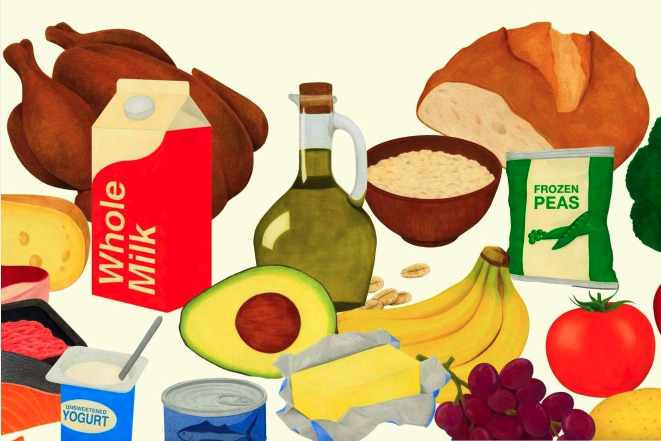
Good morning,Today we look back in time...The year was 1992. I was six years old.That was the year the iconic Food Pyramid was introduced to the public. It quickly became seared into the minds of Americans as the symbol of a healthy diet for the next 30 years.Schools taught it.Doctors referenced it.Food companies built entire marketing campaigns around it.I remember walking the grocery store aisles as a kid and seeing a barrage of marketing claims on cereal boxes and Pop-Tarts that proudly read, “Part of a healthy diet.”Looking back now, that claim feels almost unbelievable.The original Food Pyramid never bothered to distinguish between refined grains and whole grains. And it treated all fats as bad.So Americans were told, for decades, to build their diets around foods that were often highly inflammatory and damaging to gut health. Since that day, here’s what followed: Obesity rates doubledType 2 diabetes skyrocketedUltra-processed food consumption surgedMore than 70% of American adults are now overweight or obeseNearly 90% of healthcare spending now goes toward treating chronic disease When people ask me what I think about the recently introduced “Upside Down Food Pyramid,” my response is simple: Why did it take more than 30 years to turn this thing on its head? In my opinion, the 1992 Food Pyramid will go down as one of the great policy blunders in modern American history.The USDA's updated dietary guidance is finally acknowledging what many regenerative farmers have understood for decades: It recognizes healthy fats as an essential part of a restorative diet.It emphasizes the importance of gut health, including fermented foods.It plainly states we should avoid highly processed packaged and prepared foods.It directly (and correctly) links the Standard American Diet to the wave of chronic health conditions Americans are battling. The guidelines also acknowledge that people with chronic disease, like myself, may need to adapt these dietary recommendations to their own health situation. That point is incredibly important. And one last thing.This shouldn’t be taken as a political statement.The truth is, the low-fat, high-carb diet didn’t come from one political party. It was embraced by both Democrats and Republicans. And, for more than 30 years, neither side seriously questioned whether it was working.Meanwhile, chronic disease kept rising and the industrial food system kept expanding.I’m simply thankful to see this policy finally getting turned upside down the way it should have been all along.At the end of the day, most of us don’t need a government chart to tell us what good food looks like.Real food raised responsibly.Ingredients you recognize.Meals shared around a table with people you care about.That’s the kind of food system we’re working to build here at Seven Sons.And we’re grateful to have so many of you walking that path with us.

25 Years of Seven Sons (Some OLD SCHOOL pics!) 📸

A few weeks back, at our annual team Christmas party hosted right here in the farm order fulfillment area, I took our team members and their guests on a trip down memory lane.While we served over 25,000 unique families in 2025, the truth is that our farm had VERY humble beginnings, rich with challenges, uncertainties, and failures.I’ll never forget one evening when I was probably 12 years old. Dad sat Blake and me down and asked if we’d be willing to invest the cash we had saved in glass jars to help pay for the first cattle fencing we needed to build.That was a lot of weight for young boys to carry.But we said yes.Looking back now, I never could’ve imagined that those jars of cash would one day multiply into what Seven Sons has become today.The purpose of my storytelling that night was to enrich the team's understanding of our farm's story, and celebrate 25 years of serving customers, regenerating the soil, producing nourishing, healthy food, and raising animals with care.It was a fun exercise. :)And, so, for just 2-3 minutes I invite YOU on this same journey. Take a trip down memory lane with me... The year was 1999, and Y2K (the fear of what would happen when all the computers rolled over to a new century) was on the horizon.Mom, Dad, Blake, and I worked hard to create our first-ever product, Canned Beef - a shelf-stable staple item in high demand at the time.It was the only product we sold.The good news is that it sold very well!!The bad news was that after Y2K passed without a hitch, people had too much, and demand plummeted. While we still sell our canned beef today, we had a BIGGER vision than selling one product, so we got busy innovating. In the late 1990s / early 2000s, the internet and "selling online" was just in its infancy.  Mom and I agreed that a good home schooling project would be for me to build the first Seven Sons website. (pictured above).I'm happy to report I finished my project, but I'm unhappy to report we NEVER earned a single customer through this first version of SevenSons.net.(The marketer in me now understands why. 😂)Thankfully, the spark for online marketing was ignited in me, and I continued to learn and take steps to effectively reach customers online in the coming years. Our next step was to open a self-serve on-farm store so that customers could buy from us 7 days a week, and we could support our sales beyond the few sales we'd make at farmers' markets in the area.It was about this time that I started dating my wife, Charis.On one of my early visits down to visit her family in Warren, IN, I happened to notice this shed (pictured above) on the back of her family's property. I couldn't help but notice that it looked like a pretty ideal farm store.🤔She encouraged me to ask her parents if we could buy it to start our family's on-farm store, and they gave it to us. Interestingly, Charis' grandpa has started a business with the same shed years ago, and so her parents were more than happy to see the tradition carry on.We were in business shortly thereafter... With the vision of growth and packing more and more orders over time, we built our first fulfillment and packing "room".With the mix of a refrigerator, a few freezers, and an area to weigh and package goods, we were on our way to working more efficiently. My friend, this BIG truck, affectionately called "THE BEAST," is what we used to make our first home deliveries in the area, and eventually all the way to Chicago.There were many, many days of rolling down the interstate, first with Blake, and then with my other brothers as they got old enough to make the trip. There was no A/C, so those July and August trips were especially warm. And, sometimes the trips were adventurous...One memory stands out more than most...I remember standing in the back of that reefer truck on a cold November day in Munster, Indiana. Ice and rain were coming down, and there were more than 30 families lined up behind the truck waiting to pick up their Thanksgiving orders.As I think back on that moment now, I’m overwhelmed with gratitude.Every one of those families chose to skip the grocery store.Every one of them trusted us with their holiday meal.And those choices repeated thousands of times over the years, are the reason this farm is still here today. And that brings us to our first ever team Christmas party...The impact this year for our people, our greatest asset, was strong as they could look around the room to see the now nearly 100 people enjoying a meal, playing games and leaving with some thank you gifts.Each word of this story is only possible because of the folks reading it. If you read our Manifesto, you will learn that behind the scenes of this 25-year journey, there were many hardships that nearly ended the journey.The belief, patience, good will and partnership we've received from our customers over the years means more than you know to mom, dad, my brothers and I.THANK YOU.❤️Let me close by saying that 25 years in we are more inspired than ever and the vision we have is grand.We invite you to continue on that path with us...to enjoy healthy food you can eat with confidence, and help us continue to lead for much needed change in the food systems and agriculture

A Complete Guide to Pork Cuts and How to Cook Them

From quick-searing chops to slow-braised shoulders, understanding different pork cuts and their ideal cooking methods helps you create delicious, satisfying meals every time. Whether you're grilling, roasting, or braising, each of the 12 main pork cuts offers unique flavors and textures that shine with the right technique. Quick Facts About Pork Cuts 12 main retail cuts come from four sections of the pig: shoulder, loin, belly, and legQuick-cooking cuts (chops and tenderloin) are lean and cook in under 30 minutesSlow-cooking cuts (shoulder, butt) have more marbling and need 6-8 hours for tender, fall-apart resultsCook ground pork and sausage to 160°F, while whole cuts should reach 145°F internal temperature, with a 3-minute restHeritage, pasture-raised pork is darker pink, firmer, and richer in flavor than conventional pork Pork is a versatile meat rich in protein, vitamins, and minerals. It’s a great addition to a healthy diet, and you can cook it in various ways. Which cut of pork you choose and how to cook it, depends on a few things.  Before deciding which cut is right for you, consider the source. Pasture-raised, heritage breeds produce more flavorful pork with better nutritional content[1] than standard grocery store products.  But can you tell the difference between pasture-raised pork and industrially produced pork? Yes! Our pork is firm and darker pink in color (indicating the animal was pasture-raised). Pork meat that is pale in color, soft, or damp was most likely factory-farmed. As a bonus, all our pork is sugar-free and free from GMOs, nitrates, and antibiotics. Now that we’ve sorted that out, let’s talk about the different pork cuts!  Originally published in 2024, this article was updated and republished on November 27th, 2025. What Are the Main Pork Cuts? When you're shopping for pork, you'll encounter retail cuts from four main sections of the pig: the shoulder, loin, side (belly), and leg. Each section produces cuts with distinct characteristics that suit different cooking methods. Here are the 12 most popular cuts of pork you'll want to know about: 1. Bacon  What part of the pig: Side (belly) Bacon is a breakfast staple for a reason, and it’s our #1 selling product of all! These thin slices of pork are quick to cook–making them a great, tasty breakfast, lunch, or dinner option! We recommend frying, baking, or grilling your pork bacon until it turns dark pink and the fat is crispy around the edges. Internal temperature: Cook until crispy (approximately 165°F) Bonus: You don’t need to stop at breakfast with your bacon. Wrap a tasty filet mignon, top your favorite hamburger, or make bite-sized pieces to mix in with oven-roasted Brussels sprouts, asparagus, or Cobb salad. 2. Pork Sausage What part of the pig: Shoulder and loin Another breakfast staple – pork sausage – is made of cuts from the shoulder and loin of the pig. We season our sausage with black pepper, red pepper, rosemary, and sage to give it a rich, hearty taste.  For the healthiest option, grill or oven-bake your sausages until browned and cooked through–or fry them in a skillet for 10-12 minutes. Then, serve with eggs, in a breakfast sandwich, or with a side of sweet potato hash. Internal temperature: 160°F (ground pork product) 3. Ham What part of the pig: Hind leg Ham comes from the hind leg of the hog. Our heritage ham roast is brined and smoked by artisan butchers for a melt-in-the-mouth texture and subtly sweet flavor. Unless they say they’re ‘fresh,’ hams usually arrive pre-cooked, but you can still work some magic through crusting, seasoning, then oven-roasting them. Our recipe for maple glazed ham is a family favorite.  Internal temperature: 160°F Our recipe for maple glazed ham is a family favorite. 4. Bone-in Pork Chops What part of the pig: Loin Bone-in pork chops are a premium cut sourced from the loin of the pig. They’re renowned for their marbling, tenderness, and depth of flavor, making them a tasty centerpiece for any dinner party.  Pork chops are also versatile. You can marinate them and then toss them on the grill, sautée, or oven-roast them with herbs and spices for added flavor. And they’ll be ready in under an hour from start to finish! You can keep it simple by topping with your favorite BBQ sauce or try one of these pork chop side dishes. Internal temperature: 145°F with a 3-minute rest For something that will wow your guests, try our recipe for pork chops with pear sauce. 5. Ground Pork What part of the pig: Primarily shoulder and hind sections Cut primarily from the shoulder and hind sections, ground pork is the perfect base for meals across cuisines: Italian meatballs and pasta sauces, French casseroles, soups or stews, and much more. How you cook your ground pork will depend on what you’re making.  Internal temperature: 160°F 6. Baby Back Ribs  What part of the pig: Back and loin Baby back ribs come from the back and loin of the pig. They’re smaller and meatier than their spare ribs, and quicker to cook. You can use a dry rub or glaze with your favorite seasoning, then bake or barbecue until the meat easily pulls away from the bone. Internal temperature: 145°F minimum, though many prefer cooking to 190-203°F for fall-off-the-bone tenderness 7. Pork Shoulder What part of the pig: Upper front leg and shoulder blade area Pork shoulder is a hearty, flavourful cut of meat perfect for slow cooking, smoking, or roasting. We love putting it in the slow cooker for 6-8 hours, along with garlic, onion, and spices. When the pork shoulder comes out, it’s juicy and tender, falling apart with a touch of the fork. Internal temperature: 145°F for safety, but best when cooked to 190-205°F for pulled pork 8. Tenderloin What part of the pig: Loin muscle along the backbone Pork tenderloin is a long, boneless cut of meat from the loin muscle that runs along the pig's backbone. This cut is mild in flavor and tender, so you can cook it in a variety of ways.  Try pork tenderloin prepared in the slow cooker with a creamy garlic sauce for a simple mid-week dinner. Our pork Wellington recipe is sure to impress for a show-stopping dinner. Internal temperature: 145°F with a 3-minute rest 9. Pork Crown What part of the pig: Bone-in pork loin formed into a circle A pork crown is created by tying a whole bone-in pork loin into a circle. It’s a crowd-pleasing recipe perfect for a family gathering or dinner party. The best way to cook it is to roast it. First, rub it with garlic and herbs, then let it marinate overnight. The next day, roast it in the oven for 1.5-2 hours or until the internal temperature reaches 160 degrees. Internal temperature: 160°F 10. Pork Butt What part of the pig: Upper shoulder Despite what the name indicates, pork butt comes from high up in the shoulder of the pig. This cut is known for its marbling and depth of flavor, and it’s usually smoked or roasted to make pulled pork.  As with pork shoulder, you’ll want to rub the pork butt with your chosen seasoning before slow cooking in the oven, smoker, or slow cooker for 6-8 hours (depending on the size of your cut). Once it’s cooked, cut the skin off and shred the meat. You can serve it immediately or let the pork marinate overnight so it soaks up more flavor. Internal temperature: 145°F for safety, but best when cooked to 195-205°F for pulled pork 11. Pork Loin  What part of the pig: Back of the pig, between shoulder and leg Pork loin is a rich, flavorful cut of meat that comes from any part of the loin section. It’s larger and juicier than pork tenderloin, making it ideal for roasting, grilling, or braising.  For a quick, tasty meal, you can cut your pork loin into steaks and fry them in butter or an oil of your choice for 8-10 minutes. Alternatively, you can prepare pork schnitzels with just a couple of extra steps. Internal temperature: 145°F with a 3-minute rest 12. Pork Belly What part of the pig: Underside of the pig “Candied” Pork belly is a popular restaurant dish for a reason. When cooked to perfection, this juicy, tender cut of meat will melt in your mouth. You can see Blaine’s take on Alton Brown’s Seared Pork Belly here. Internal temperature: 170°F Frequently Asked Questions About Pork Cuts What part of the pig is ham? Ham comes from the hind leg of the pig. This large cut is typically cured, smoked, or both, which gives it that distinctive savory-sweet flavor. Our heritage ham roasts are brined and smoked by artisan butchers for exceptional taste and texture. What part of the pig is pork chops? Pork chops are cut from the loin, which runs along the back of the pig between the shoulder and the leg. Bone-in chops include a portion of the rib or backbone, while boneless chops are simply the loin muscle. The loin is one of the most tender sections of the pig, making chops a premium cut. What is the most tender cut of pork? Pork tenderloin is the most tender cut of pork. This long, narrow muscle runs along the backbone and doesn't get much exercise, resulting in exceptionally tender meat. It's mild in flavor and cooks quickly, making it perfect for weeknight dinners or elegant presentations. What are the best cuts of pork for slow cooking? Pork shoulder and pork butt are the best cuts of pork for slow cooking. These cuts come from the shoulder area and contain more connective tissue and marbling, which breaks down during long, slow cooking to create incredibly tender, flavorful meat. They're ideal for pulled pork, stews, and braised dishes that need 6-8 hours of cooking time. How do you cook different cuts of pork? Different types of pork require different cooking methods. Quick-cooking cuts like bacon, chops, and tenderloin work best with high-heat methods like grilling, pan-frying, or roasting at 400°F. Tougher cuts with more connective tissue, like shoulder and butt, need low, slow cooking methods such as braising, slow cooking, or smoking. Ground pork is versatile and can be pan-fried, grilled as patties, or incorporated into various dishes. What's the difference between pork loin and pork tenderloin? Pork loin is a larger cut from the back of the pig that weighs several pounds and feeds a crowd, while tenderloin is a long, narrow muscle that's about one pound and serves 2-3 people. Tenderloin lives up to its name as the most tender cut and cooks quickly, making it ideal for weeknight meals, whereas loin is perfect for Sunday roasts or slicing into chops. Why choose heritage, pasture-raised pork cuts? Heritage, pasture-raised pork offers superior flavor and nutrition. Our pigs spend their lives on regenerative pastures, resulting in meat that's darker pink, firmer, and richer in beneficial omega-3 fatty acids. The natural marbling in heritage breeds creates meat that is more flavorful and tender. Plus, our pork is free from GMOs, antibiotics, hormones, and added nitrates. What Will You Go For? If you’re wondering which of the different cuts of pork is best for your needs, the answer is all of them! It all depends on what you’re making.  Whatever you fancy, you’ll taste the superior quality of heritage pork products from our regenerative-focused family farm. Choose from a variety of sugar-free, heritage, pasture-raised pork cuts, delivered to your door. If you're wondering what could you do with the other parts of the pig, read our pork offal guide and explore our selection of pork organs. Footnotes1. https://practicalfarmers.org/research/fatty-acid-comparisons-of-grain-and-forage-fed-pork/

Your Custom Box
Empty Box

Get started by adding a product to your custom box

Start Shopping
Subscribe & claim $36.75 in savings
Subscribe & Save
What you get when you subscribe to your box:
  • 5% savings site-wide

  • Free item with each delivery (choose below)

  • $25 store credit to use on your next order - Available to first-time subscribers only

  • 100% Customizable - Pause, skip, or cancel anytime with no penalties

Customize Your Frequency Customize Your Free Item
- Ground Beef -
Ground Beef

$11.75 FREE

- Breakfast Sausage (Sugar Free) -
Breakfast Sausage (Sugar Free)

$12.36 FREE

- Bacon infused Burgers -
Bacon infused Burgers

$10.15 FREE

Before You Get Started

📍Enter your email and postal code so we can confirm delivery and create your account

Email
Postal code

Great! We're going to deliver your next order to !

Sorry, we couldn't find that postal code!

Check delivery availability

Your postal code helps us to provide the most up-to-date product and delivery information.

Nearby?

,

Need it shipped?